
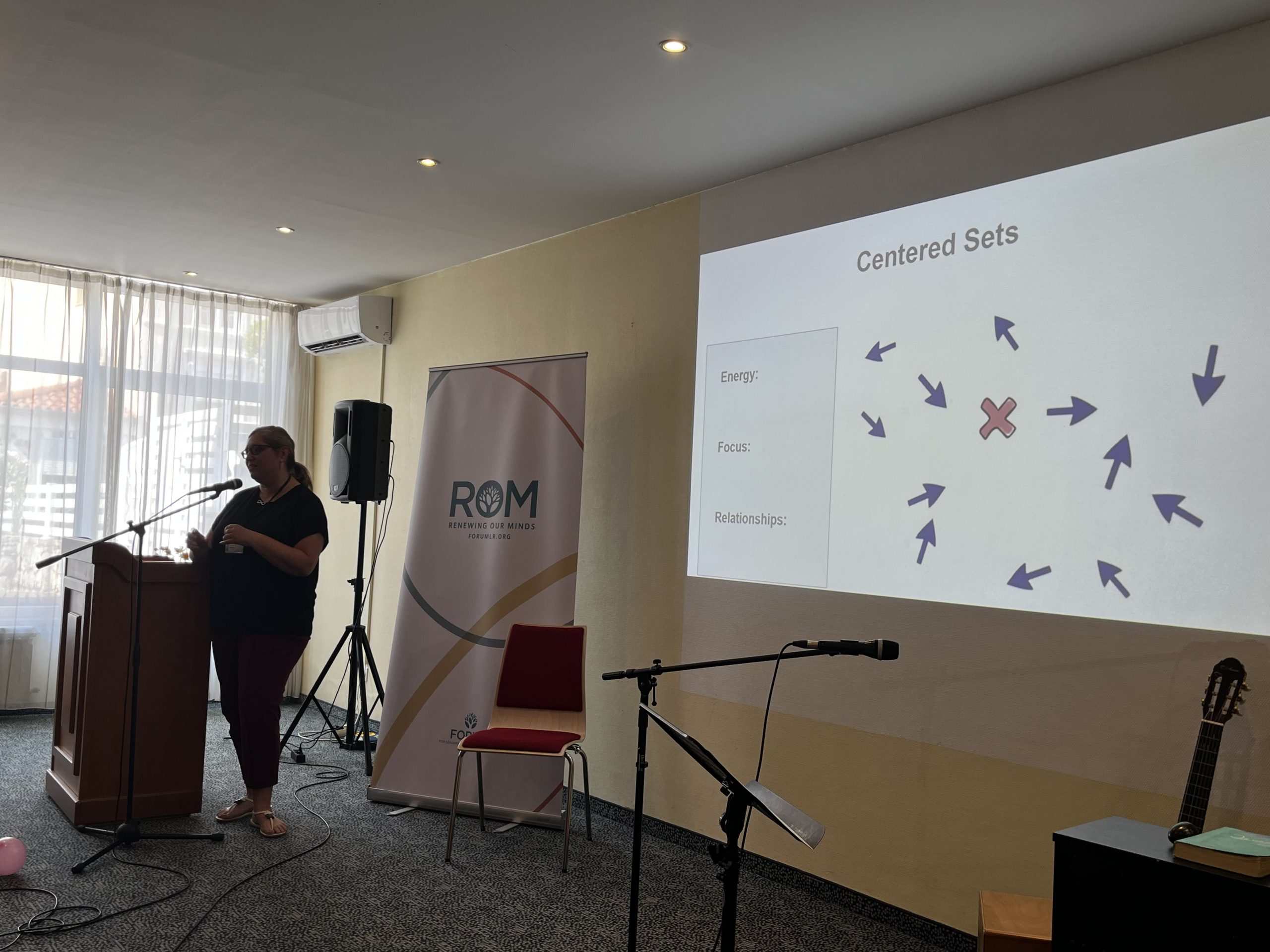
Rachel is so smart, few can catch the nuances & intricacies of her presentations. There is so much depth in the content she shares always.
She started the conference talking about the identity under attack
When a group feels under attack they go into defensive mode. When a group is not under attack, they are open, curious & willing to accept new members & changes. Also they are open to hold multiple identities.
When a group feels under threat, even perceived threat, like rapid social changes, or acts of aggression, social divisions, or reminders of historical trauma, they embrace a defensive group identity, and the feelings or emotions that emerge are: Humiliation, Shame, Helplessness, Fear, Anger & race, Desire of revenge, and the Group starts to create a group identity.
These dynamics are not signs of moral failure as much as they are expressions of deeply human survival instincts. The instinct to protect identity grows from our longing for dignity and safety.
Yet the same instincts that help communities survive can also make mutual understanding, peacebuilding, and reconciliation extraordinarily difficult. When fear becomes the primary force shaping belonging, it becomes harder to see those outside the tent as neighbors, much less as partners in healing or shared flourishing.
The tighter the tent becomes, the harder it is to recognize the dignity of those beyond it.
Circle communities ⭕️ and outsiders
Boundaries can protect vulnerable members, preserve communal wisdom, and sustain continuity across generations.
The danger emerges when boundaries shift from supporting identity to becoming identity’s primary purpose, and when communities spend more energy deciding who belongs than discerning who they are called to become.
What we center always shapes how we live. If our deepest identity is, for instance, “being Christian,” then admitting where and when Christianity has gone wrong feels dangerous;
Centered belonging, by contrast, introduces ambiguity. It asks communities to live with tension, to discern faithfulness together, and to resist the false comfort of fixed markers.
Jesus invites us into this embodiment of his way – loving enemies, confronting injustice, healing wounds, being honest about our own places in society, and joining God’s reign of Peace. The question is not whether we call ourselves “Christian,” but whether our lives bear the fruit of shalom.
Questions for small group
- When has your identity been welcome? When have you experienced dignity violations?
- Have you seen the “group tent identity framework in various groups?
- Can you share examples of bounded set and centered set groups that you are a part of? What are some challenges facing each group?
- What would it look like to have a centered set group that also preserves some boundaries?
- How can groups move from self-preservation made to a more collaborative, goal-oriented mindset?