
My youngest is a lot like me. Quiet and observant. I know there is a lot going on behind these beautiful attentive eyes. And I have little control over what happens outside my home. She is learning to adapt to the world, its fickle friendships and exclusions, the sense of loss, lack of understanding, the rules that seem to change without notice, needs unmet, desire for deep connection, fear of solitude or boredom or being left behind.
I have always wanted my space, as far back I can remeber. Maybe my cup got filled so well, that I don’t understand what it feels to be rejected. The times and context made so my mom co-slept with me, to nurse me till I was one. And co-sleeping was a thing throughout my childhood. I never dreaded sleep. I felt the warmth of family near. And I learned to sleep without much tossing and turning.
My little girl is a sound sleeper. She fall asleep fast and sleeps so sweetly. Never fight bed time. And it made it easy after my eldest drained the life out of me at bedtime when I often felt trapped for one more story, one more song, holding her hand, waiting for her to succumb to sleep.
So as my youngest didn’t demand as much, we didn’t give generously because we were on a budget of time and energy. And her empties cup became evident at this next stage, as she turned 9. She wants my company, she sits super close to me, she wants to feel me near. And I sometimes dread it. I want to escape the closeness. I feel touched out. It’s a combination of nearness and activity and questions. But my subtle rejection, my attempt to escape the closeness, which had nothing to do with my sweet kid, who is quiet and discret and gentle, but with my limited capacity and overstimulation, started to be expressed in her feeling that she is not accepted at school. I stoped in my tracks and paid attention. When she speaks softly and I can’t hear and ask her to repeat. I point out that she mumbled and encourage her to speak up. But she doesn’t. She only wilts or sulks. I have to stop what I’m doing and pay attention with opened and eager interest. Then she speaks up with clarity and light and joy. It doesn’t always come natural, but after trying the different approaches, I realize this age 9 is probably a challenging age for me in general. It was the same with my eldest. It’s like a needy preteen that doesn’t have the words to ask for what they need. And they ask in unpleasant ways for me. I fought a lot with Jackie. Probably the most in her 12 years. She was stubborn, she was mouthy, inattentive, didn’t do her homework for a week (just to see if she can get away with it) and threw daggers with her eyes at me even when I tried to be helpful and kind. So yeah, 9 is rough. The kids are becoming more selective and exclusionary, they say mean things, they differentiate with style and technology.
I have decided to try consistently the approach I know it would cost me but would be what she wants because by god’s grace I got to know my youngest girl very well. When she wants to play, go and play. When she needs help give her my full attention, and speak words of affirmation daily, even if she deflects them. I told her in a long conversation that she is smart and kid and friendly and so beautiful inside and out. And I would point out how and why I see her this way. She told me she doesn’t believe me, and that I say all these things just because I’m her mom. And that all moms say these things to their kids. I believe she was letting the refreshing words sink slowly while questioning them. I reassured her that I say these things because as her mom I know her best, so I’m authorized and entitled to affirm her from a truthful heart. I reminded her that I never lie. To that she made big eyes and smiled. It’s true. I don’t lie. Never. So it must be true.
“That is the work. Helping her feel safe, seen, and steady enough to stop turning rejection into identity. And most moms were never taught how to do that.”
When she said her colleagues talk over her, don’t listen to her contribution, she has no friends to play with during recess, other girls gather and talk about things but she feels left out and alone… it breaks my heart. Because I was like that and I learned not to care. But the truth is that other kids in her class must feel just the same but from the outside they don’t appear so. Being on the lookout for the lonely and helping them to feel included and seen, it’s the surest strategy to forget your own loneliness and teach you about action with empathy.
Meanwhile though, filling her cup at home, validating her importance, enjoying her company (I think we parents at times need to muster our creativity to figure out how to truthfully express our enjoyment of them). At time I don’t like their company, mood, breathing, demands, smell, energy… how do we communicate constructively with them so these are not the reasons why they are excluded by their friends.
I have made an effort to practice kindness and availability and every time she catches my eyes to smile at her. And it got easier and easier. The more I tried to like her the more I did. And she relaxed and she doesn’t follow me around her house as she used to, She is assured of my love through these little acts of inclusion and warmth and affirmation. Without realizing, she gains the confidence to ask as if she is already liked by all her colleagues instead of trying to be liked or included. I’m not saying it’s easy or it is a recipe but we have to start somewhere.
She will face rejection and difficult relationship and I will be there to walk through them with her. But meanwhile, building on helping her feel seen, safe and steady fuels her heart with courage and helps her stand up straight. Then being alone at recess may feel like a breather for reflection and doing what she wants instead of worrying about not being included.
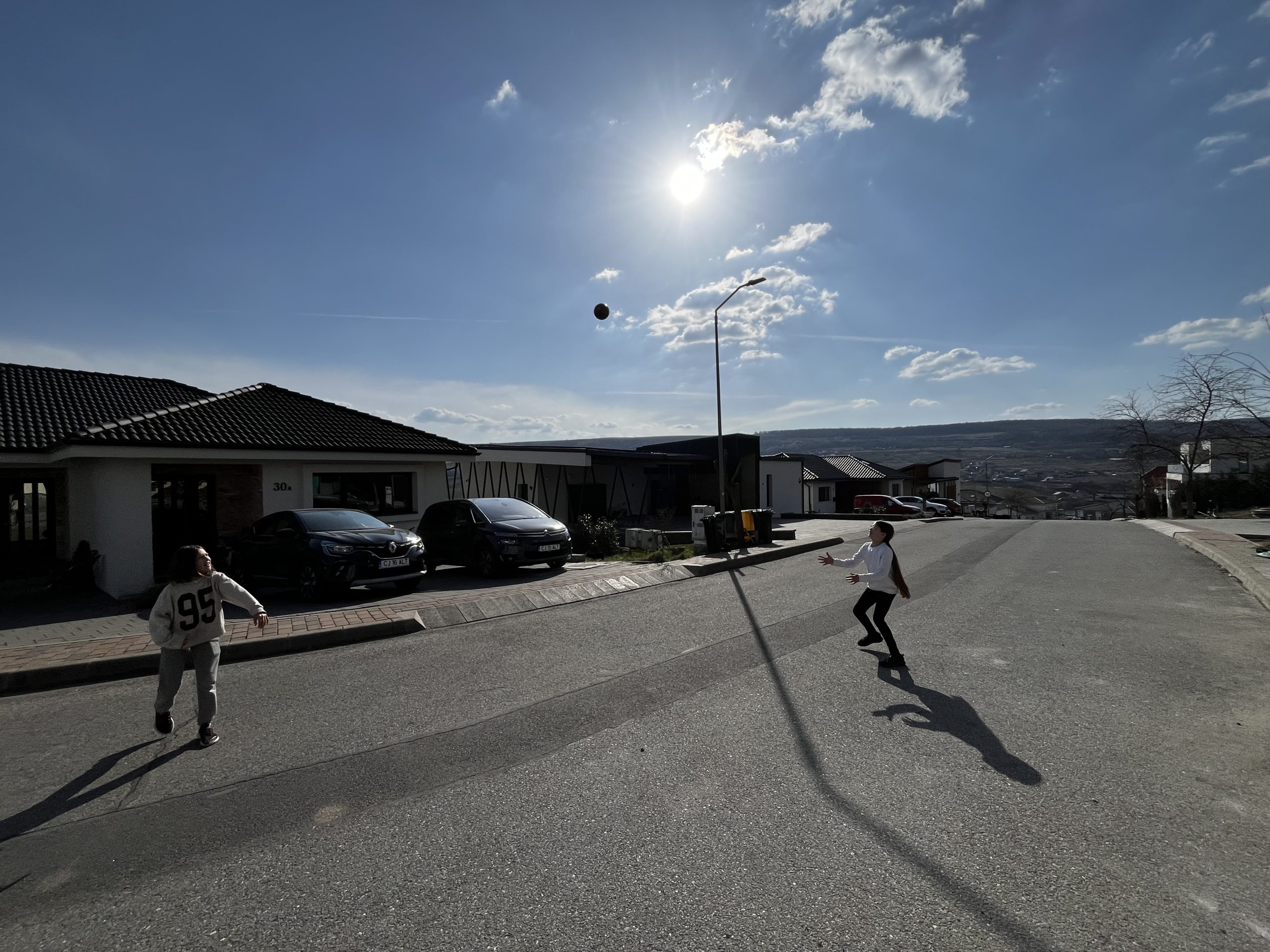
Yesterday she had a colleague come home with her, to do homework together and play. I also played with them handball. They both have a strong arm and were so fun to play with. She was lighthearted and fun and easygoing. She has friends and it is good to foster those friendships at this stage. They are meaningful and valuable, more than we as adults understand.